
Ten Honey Brands in India — NMR Passed, Raw & Chemical-Free
WELLNESS

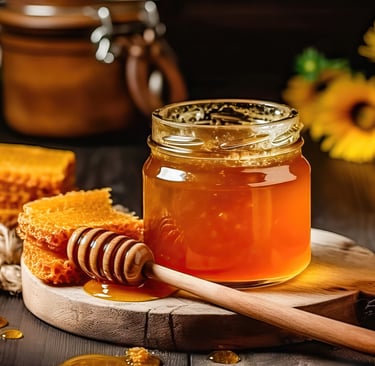
When you pick up a jar of honey, you assume it’s… honey.
But in India, studies show up to 70% of commercial honey can be adulterated, diluted with rice syrup, heated at high temperatures, or stripped of natural enzymes that make honey a healing food. And when you’re consuming honey for your gut health, immunity, inflammation, or metabolism, purity is everything. This guide is your list of honey brands in India that truly stay close to nature — raw, unprocessed, and free of artificial additions. Infants under 12 months should not consume raw honey.
I will be classifying the brands based on if its specific origin and source (region, type of bees, mono-floral variety or wild honey), purity (raw, unprocessed, unfiltered, unheated, no additives, preservatives, or added sugars), lab tested (organic certifications, NMR tested, FSSAI tested) and ethical beekeeping practices.
Indigenous Honey
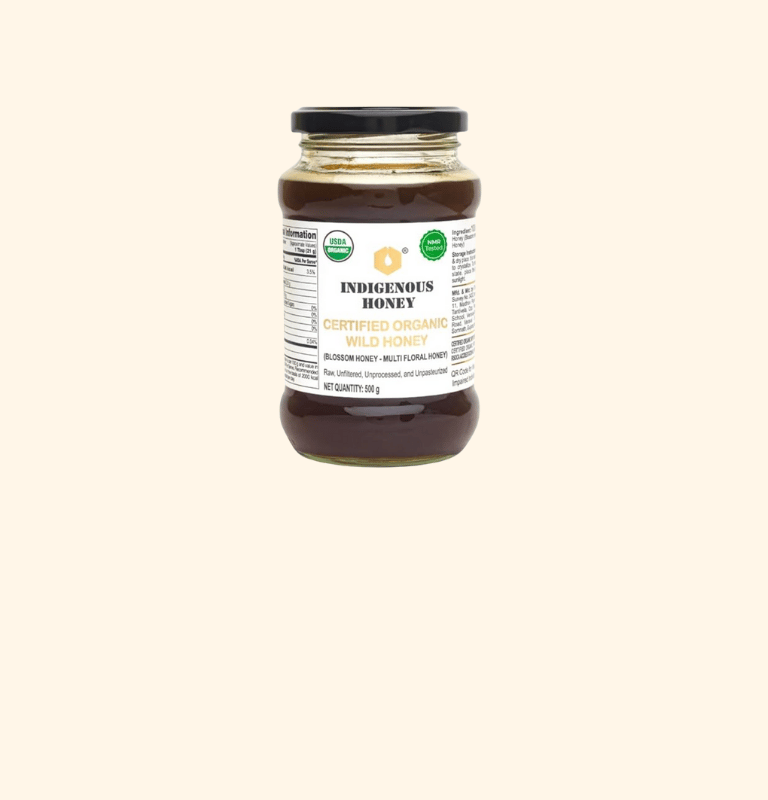
Organic Wild Honey
1.Indigenous Honey
Indigenous Honey is a mission-driven Indian brand that emphasises raw, wild-flower, unfiltered honey sourced from forest regions like Uttarakhand and Himachal Pradesh. They use minimal intervention, ethical beekeeping, and delivering “nature as it made it” to the consumer. They conserve honey bees in scientifically designed wooden boxes called honey beehives. These boxes (beehives) are designed as like honey bees natural habitat.
Organic Wild Honey:
Origin: Honey is collected by bees in the “deep forests of Uttarakhand and Himachal Pradesh” from a wide variety of wildflowers. Since the honey is from wild-flower/multifloral nectar sources (not strictly controlled mono-flora) which means the flavour, colour and aroma may vary batch to batch based on the blooms in season.
Purity: Honey is raw, unprocessed, unfiltered, unpasteurised, with no added sugar, and no preservatives. Signs of “white foam” or “crystallisation” indicate as authenticity markers.
Lab tested: The brand lists multiple certifications: USDA Organic, Jaivik Bharat, India Organic, APEDA, RSOCA. They also mention that every jar comes with a QR code that links to batch-specific lab reports. Tested against all parameters recommended by FSSAI and surpasses international standards like NMR.
Ethical Beekeeping (no bees are harmed): Yes
Under The Mango Tree
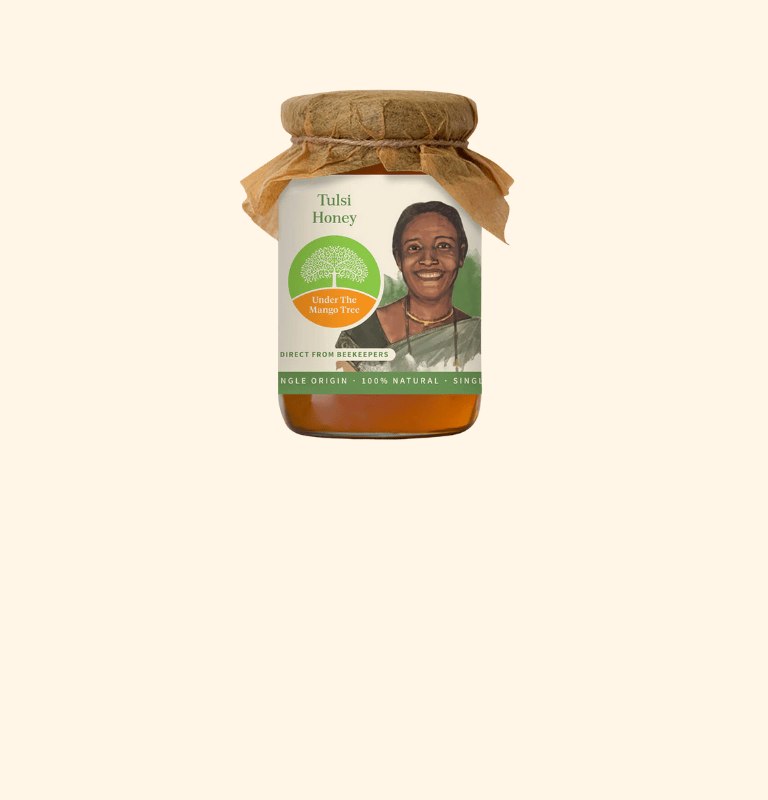
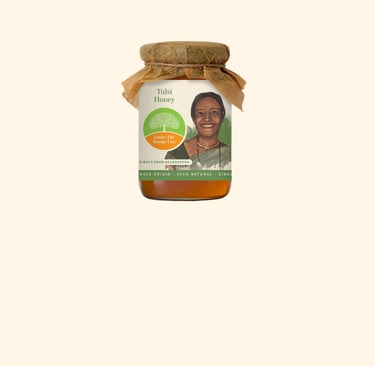
Tulsi Honey
2.Under The Mango Tree
Under The Mango Tree (UTMT) is a social-impact brand that works directly with rural beekeeping communities across India. Their focus is on ethical, sustainable honey harvesting — especially supporting small-scale farmers who depend on indigenous bee species. Every jar from UTMT is positioned not just as a product but as part of a livelihood mission that keeps traditional beekeeping alive while bringing raw, unadulterated honey to consumers.
Tulsi Honey:
Origin: It is a single-origin, mono-floral honey, meaning the bees feed primarily on tulsi blossoms, giving the honey its herbal depth and warm aroma. Sourced from the foothills of the Himalayan mountains, where indigenous bees collect nectar from Holy Basil (Tulsi) flowers.
Purity: Honey is 100% pure, natural, raw, and unprocessed. It is not pasteurised or ultra-filtered, allowing it to retain natural pollen, enzymes, antioxidants, and floral compounds from tulsi. No additives, no artificial flavouring, and no external sugar syrups are used, the taste comes entirely from the tulsi plant’s nectar. The brand highlight that the honey maintains its natural colour changes and crystallisation, which is a sign of authenticity.
Lab tested: Passed NMR (Nuclear Magnetic Resonance) testing
Ethical Beekeeping (no bees are harmed): Yes
House of Veda
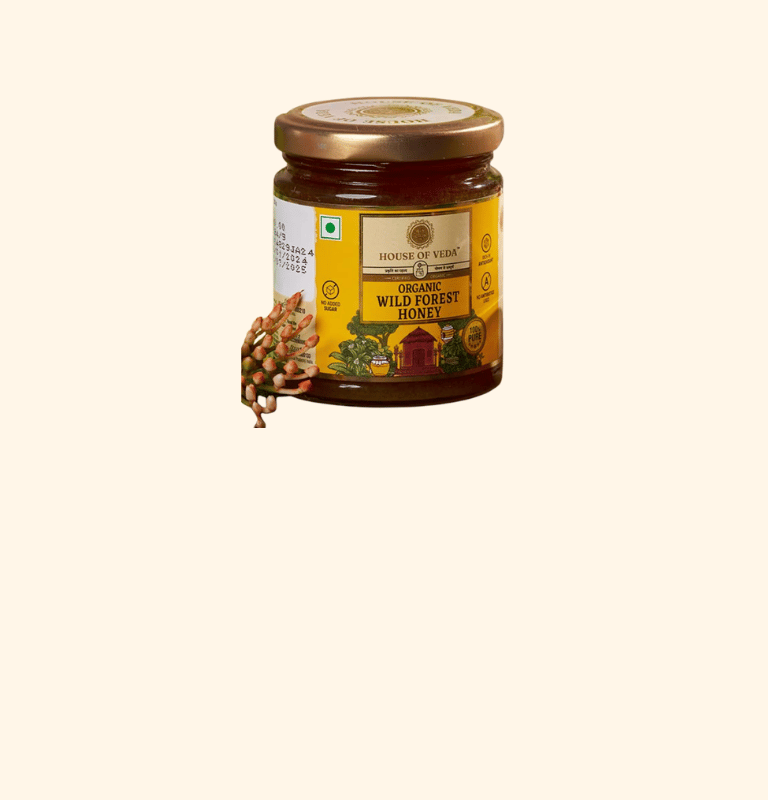
Organic Wild Forest Honey
3.House of Veda
House of Veda positions itself as a wellness-brand that fuses ancient Indian wisdom (the Vedas) with modern organic practices. Their website states that the company is “Certified Organic”, “Consciously Curated”, “Traditionally Processed”, and “Vegan.” They target consumers who want products with roots in natural/ancestral food systems, minimal processing, and traceability.
Organic Wild Forest Honey:
Origin: Sourced from “jungles of the majestic Himalayas”
Purity: 100% raw, unpasteurised, unprocessed, not heat-treated or refined, it preserves all of its natural enzymes, pollen, and nutrients, making it a truly healthy and nourishing food.
Lab tested: NMR tested and certified as per USDA & NPOP organic standards
Ethical Beekeeping (no bees are harmed): Yes
Anveshan
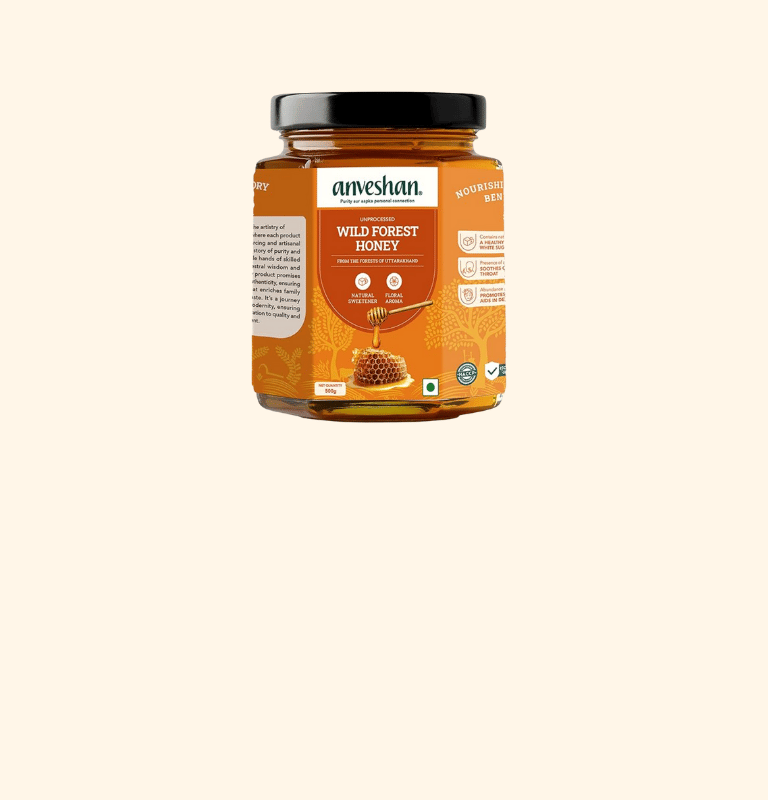
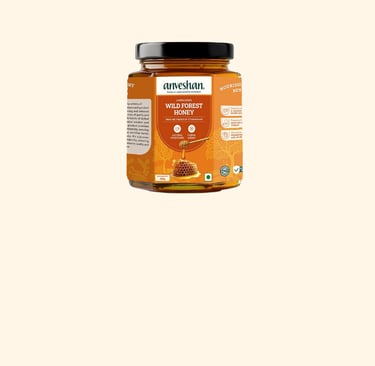
Wild Forest Honey
4.Anveshan
Anveshan is an Indian wellness-brand that supports raw, minimally processed foods sourced from native ecosystems. On their website they emphasise “Highest quality raw material from native regions all over India”, “Traditionally processed”, “Extensive quality checks”, and “Better rural lives — 5000+ farmer families are empowered with every Anveshan product you buy.” Their Wild Forest Honey line is positioned as an example: forest-sourced, unadulterated, and ethically harvested.
Wild Forest Honey:
Origin: The Wild Forest Honey is sourced from the deep forests of Uttarakhand. Tribal/forest beekeepers use traditional methods to collect honey.
Purity: Honey is raw, unprocessed, unfiltered, with no added sugar, no added cane sugar, no preservatives, or no cornstarch added
Lab tested: Everything goes through lab tests, NMR test and complies with 11 FSSAI mandated parameters for testing Raw Honey and make sure that every batch undergoes strict quality checks to make sure that you get only what is best.
Ethical Beekeeping (no bees are harmed): Yes
Vantattva Nature's Goodness
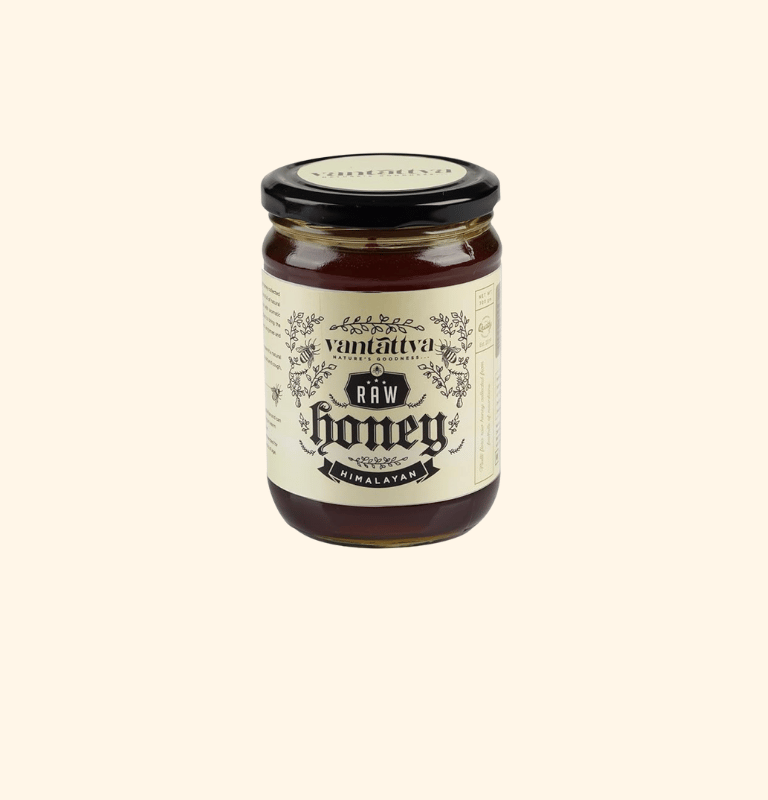
Himalayan Wild Forest Honey
5.Vantattva Nature's Goodness
Vantattva positions itself as a raw-honey specialist that emphasises “honey is best when it’s RAW” and focuses on ethically sourced, forest-harvested honeys. Their website states they are dedicated to “cruelty-free honey, ensuring no harm, damage or violence towards bees, eggs or larvae during harvesting.” Vantattva aims to bring wild-forest honey with minimal processing, direct-to-consumer, and with a wellness narrative in mind.
Himalayan Wild Forest Honey:
Origin: Sourced from Uttarakhand's untouched forests, our Himalayan honey represents a diverse array of nectar from plants and herbs indigenous to these mountain ranges.
Purity: Honey is dark amber color, coupled with robust floral notes, offers a unique and bold taste experience. Beyond its exquisite flavor, the honey's diverse pollen profile enhances immunity against colds, coughs, and seasonal allergies. Unprocessed, unheated and simply strained approach preserves high levels of enzymes and amino acids found naturally in honey, promoting metabolism, digestion, and maintaining youthful skin.
Lab tested: Honey undergoes rigorous 360-degree testing to ensure unmatched quality. We start with the German-based NMR test to validate every drop is free from adulteration, additives, and preservatives. We also confirm its organic origin by checking for pesticides, antibiotics, and heavy metals.
Ethical Beekeeping (no bees are harmed): Yes
Nature's Nectar
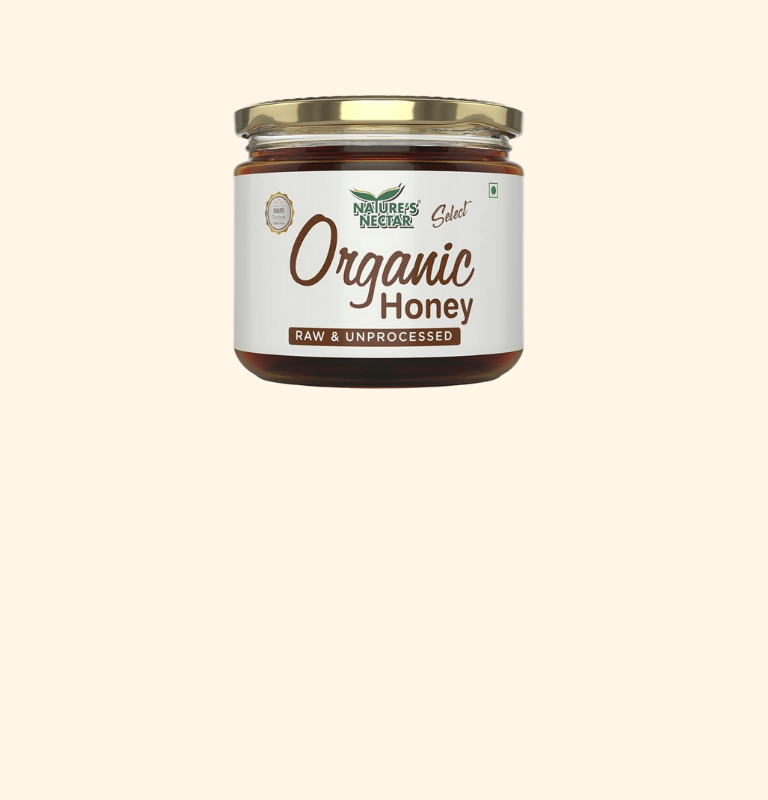
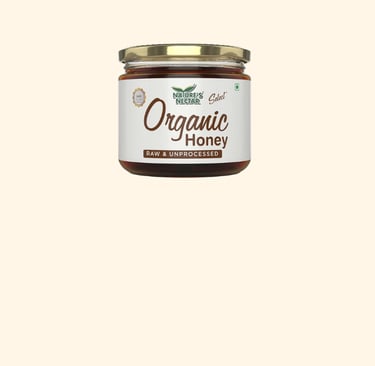
Himalayan Wild Forest Honey
6.Nature's Nectar
Nature’s Nectar is part of the legacy-business Kejriwal Bee Care India Pvt Ltd, which has operated since the 1960s in the honey/export space. Their mission emphasises traceability (“traceable to beehives”), chemical-free sourcing, and export-grade purity. They are “India’s first & largest honey exporters”. This brand bridges heritage beekeeping, industrial-quality assurance and modern wellness-consumer needs.
Himalayan Wild Forest Honey:
Origin: Pure Raw organic honey, collected from natural tropical forests of Jharkhand and Bengal
Purity: Honey is 100 % raw, natural, unprocessed, free from pesticides and chemicals
Lab tested: Honey is free from C3-C4 sugars, NMR tested, free from adulteration. Quality and safety as per national and international standards (FSSAI, FSS, BRC)
Ethical Beekeeping (no bees are harmed): Yes
The Pahadi Story
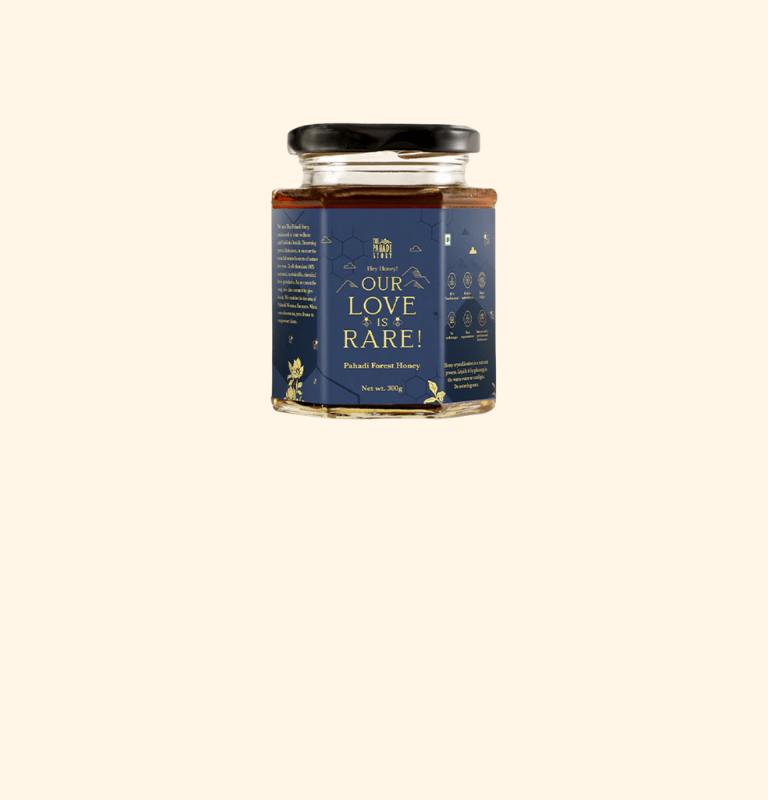
Pahadi Forest Honey
7.The Pahadi Story
The Pahadi Story is a wellness/food brand based in Uttarakhand, India, that specifically focuses on forest-sourced honeys harvested by local/ethical beekeepers in the Himalayan and Tarai regions. Their narrative emphasises “rare Pahadi honey” from wild bees, medicinal plants, and a direct link between forest ecosystems and your table. Their audience is health-focused, looking for “raw, wild, forest honey” rather than typical farm-bee products.
Pahadi Forest Honey:
Origin: Sourced from the Tarai lands of Nainital, Uttarakhand (lower Himalayan foothills) by Apis Mellifera bees. Nectar sources include medicinal plants: red cedar, wild rose, Rubus ellipticus, Indian horse-chestnut, jacaranda
Purity: Honey is 100 % raw, natural, unprocessed, unpasteurised.
Lab tested: Yes (Doesn't mention the test names)
Ethical Beekeeping (no bees are harmed): Yes
Bonphool
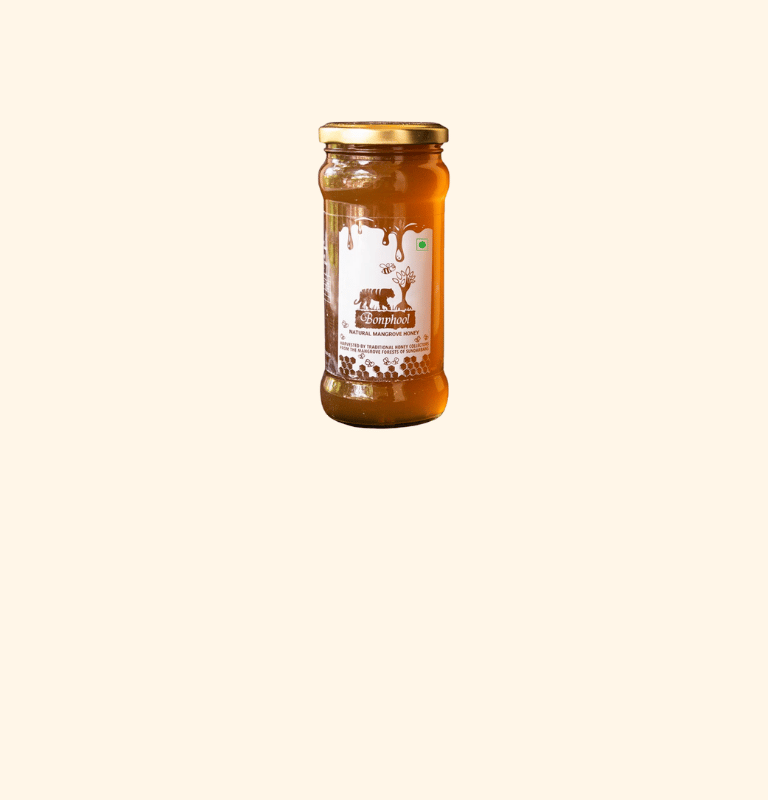
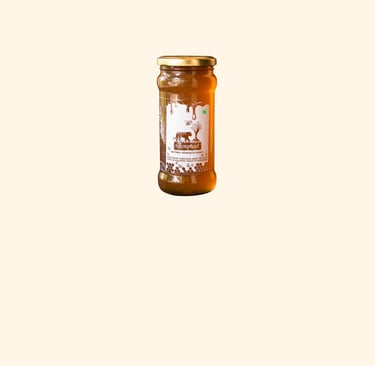
Natural Mangrove Honey
8.Bonphool
The brand Bonphool is rooted in the forest communities around the Sundarbans, West Bengal. They emphasise a mission of sustainable honey harvesting by maulis (traditional honey collectors), supporting tribal/forest-fringe livelihoods and ecosystem conservation. They go deep into the forests in search of wild beehives. Every year during honey collection, many people loose their lives to tiger, crocodile and snakes. To reduce this risk honey collectors now engage in apiculture, by placing apiary boxes inside remote forest camps of Sundarban forests. The profits earned from selling honey will go towards people conserving Tiger and Sundarban ecosystem.
Natural Mangrove Honey:
Origin: Sundarbans mangrove forest in West Bengal, giving the honey its distinct flora-profile.
Purity: Honey is unprocessed, and free from any additives, ensuring it’s 100% raw and natural.
Lab tested: NMR tested and the initiative is supported by Sundarban Biosphere Reserve (Directorate of Forest, Govt. of West Bengal), West Bengal Cooperative Bank Ltd., Dept of Panchayat & Rural Dev., WWF-India
Ethical Beekeeping (no bees are harmed): Ethically Collected by Maulis – Traditional forest honey harvesters
God Choice Organic Farms
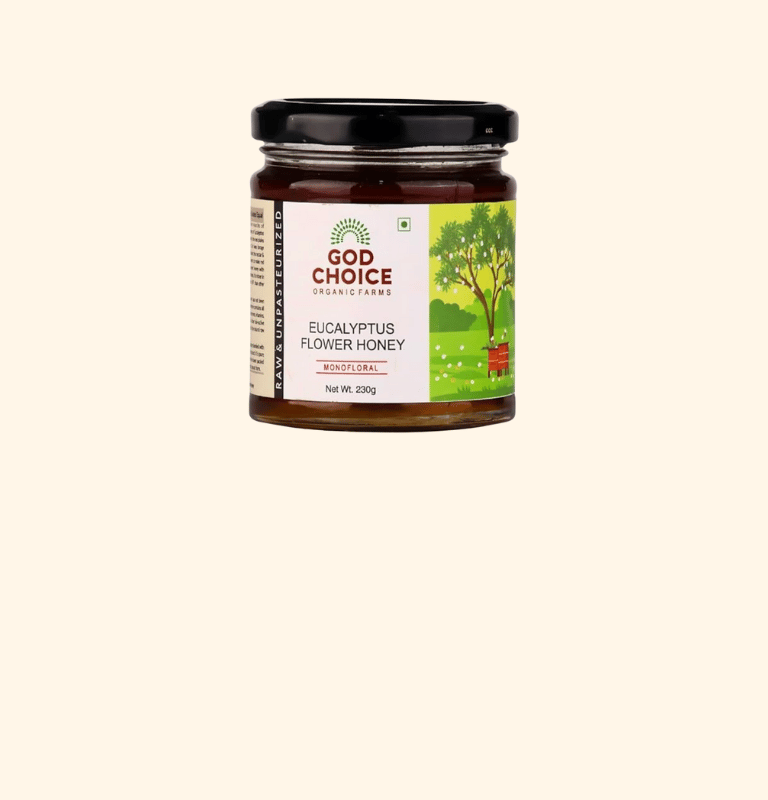
Eucalyptus Flower Honey
9.God Choice Organic Farms
God Choice Organic Farms is a wellness-food brand in India focused on minimally-processed organic groceries and health-supplements. Their honey line emphasises raw harvest, small-batch production, no additives, and high-purity standards. Every product is handmade in small batches without additives, chemicals or preservatives.
Eucalyptus Flower Honey:
Origin: Monofloral or single origin honey sourced from flowers of the Eucalyptus tree of the Kumaon region of the Himalayas.
Purity: Honey is unblended, unfiltered, raw, unpasteurized, and sugar-free honey. As per their lab reports, our eucalyptus honey contains 16450 bee pollens per gram offering a rich array of proteins, minerals and vitamins.
Lab tested: Each batch of our honey undergoes 3 stages of rigorous testing to guarantee highest quality and authenticity. FIRST STAGE: In our in-house laboratory; SECOND STAGE: By a third-party lab, Intertek India; THIRD STAGE: NMR tested from Bruker BioSpin GmbH, Germany
Ethical Beekeeping (no bees are harmed): Yes
Advait Living
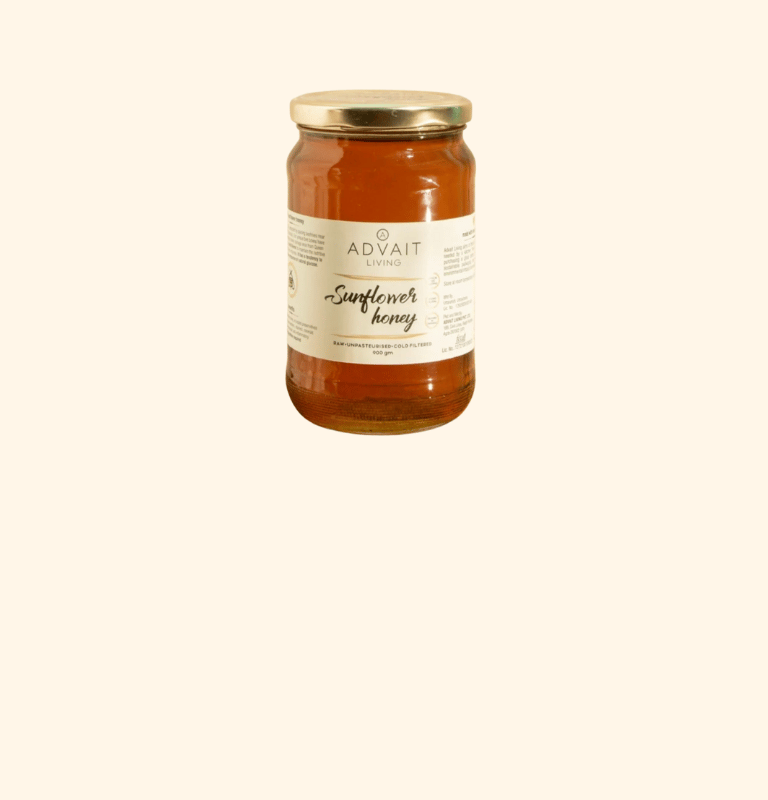
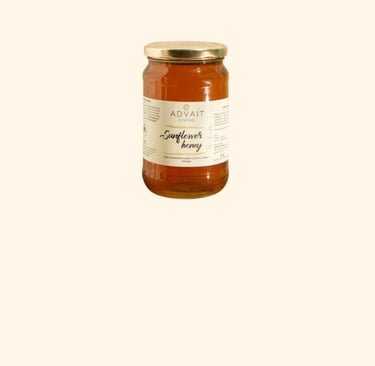
Raw Sunflower Honey
10.Advait Living
Advait Living’s Raw Sunflower Honey is a monofloral, single-flower variant harvested in India. The promise: nectar exclusively from sunflower blooms, minimal processing, and ethical beekeeping. It’s pitched toward consumers who want honey that’s more than a sweetener — a wellness ingredient with provenance and integrity.
Raw Sunflower Honey:
Origin: Mono-floral origin, meaning honey comes from ‘single-flora’. Sourced from sunflower fields near Kannauj in Uttar Pradesh
Purity: Micro-beekeepers harvest real honey directly from a bee-box that is kept in the fields of sunflowers, making it pure and raw. The floral notes are from the flowers and no honey is flavoured! Honey is unprocessed, unpasteurized, cold-filtered (no flash-heating), maintaining its natural enzymes, antioxidants, and beneficial compounds. No additives, preservatives, or added sugars
Lab tested: Yes
Ethical Beekeeping (no bees are harmed): Yes
*Disclaimer: This post contains Amazon affiliate links. As an Amazon Associate, I may earn a commission from qualifying purchases at no extra cost to you. There is no intention to defame other brands. Everything shared in this blog is a personal opinion and purely for educational purposes. I do not own the copyright for any logos shown. This post is not sponsored and does not include any paid promotion. The images shown are for reference purposes only and can change based on company policies and promotions.
Related Stories
Gut Brain Code © 2025
Gut Brain Code empowers the generation of current and tomorrow for a brighter future with hope for every individual.
Follow Us